

A feasibility study for lemon cultivation is a highly in-demand project, as the lemon tree is one of the most desirable citrus trees for both adults and children, and is in demand year-round.
The lemon tree is known to have many benefits due to its Vitamin C content, which is beneficial for the body. It can treat many diseases like high blood pressure and heart conditions, and it has countless uses.
Therefore, planting a lemon tree is profitable and is considered a project with guaranteed success and profits. Whoever wants to work or trade in planting lemon trees must be familiar with a lot of information from all practical aspects, through which they can decide to undertake this project or withdraw from it.
Through this article, we will provide data that shows what you need to grow lemon trees and all the costs involved in establishing this project, so that you can make the right decision.
What factors contribute to the success of a lemon cultivation project?
The lemon project is an agricultural project influenced by many climatic and natural factors, which in turn contribute to its success, and we will list some of these factors here.
Location
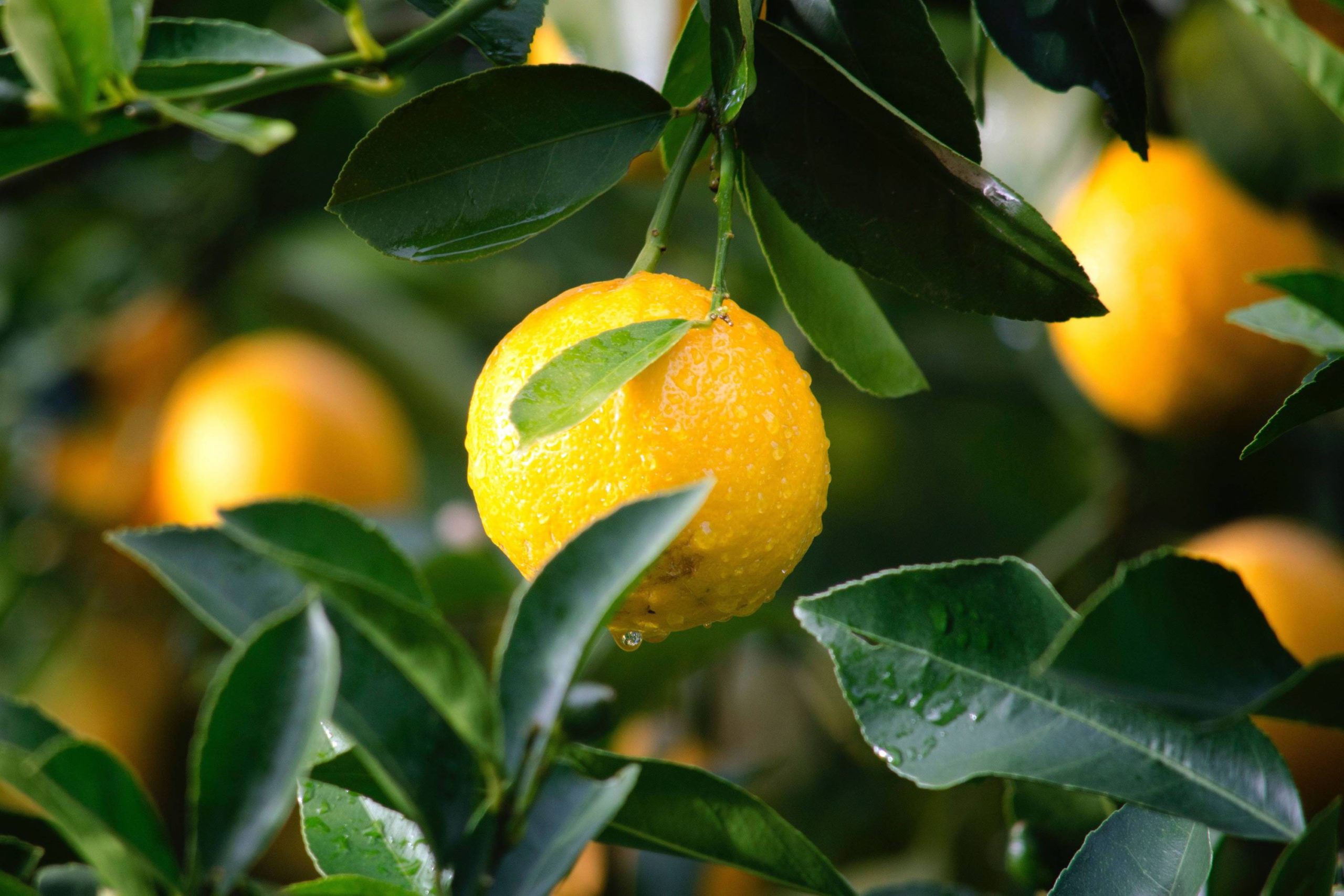
The location here is ideal for a lemon tree in terms of climate and soil type, as it is planted in vast, sun-exposed agricultural areas.
The lemon tree is distinguished by the fact that it can be planted in sandy, clay, or mixed soil, and it is preferable to plant it in warm, sunny weather, especially in the spring.
Lemon trees are also characterized by their ability to live in high temperatures and relatively less in low temperatures.
Area
The area here determines the quantity of production and thus the volume of profits. Therefore, there is a direct proportion between the size of the land and its area, and the quantity of the harvested crop, the revenue from sales, and the volume of profits that can be achieved after deducting the costs related to the cultivation process and so on.
The importance of conducting a feasibility study for lemon cultivation
The importance of a feasibility study for a lemon cultivation project lies in determining the steps for planting the tree, its cultivation costs, and the time the investor needs to complete this project.
Steps to conduct a feasibility study for lemon cultivation:
The feasibility study for lemon cultivation involves several steps that clarify and facilitate the investor's project implementation. And they are as follows:
1- Marketing study for a lemon farming project:
Through market research, we can identify types of lemons and determine the best and most in-demand variety. Here are the types of lemons:
- Egyptian Lemon
- Rashidi lemon
- Lime
Egyptian lemon is considered the best type of sour and salty lemon that can withstand climate fluctuations in summer and winter, and its cultivation is considered preferred and distinctive among other types.
2- Technical study of the lemon cultivation project:
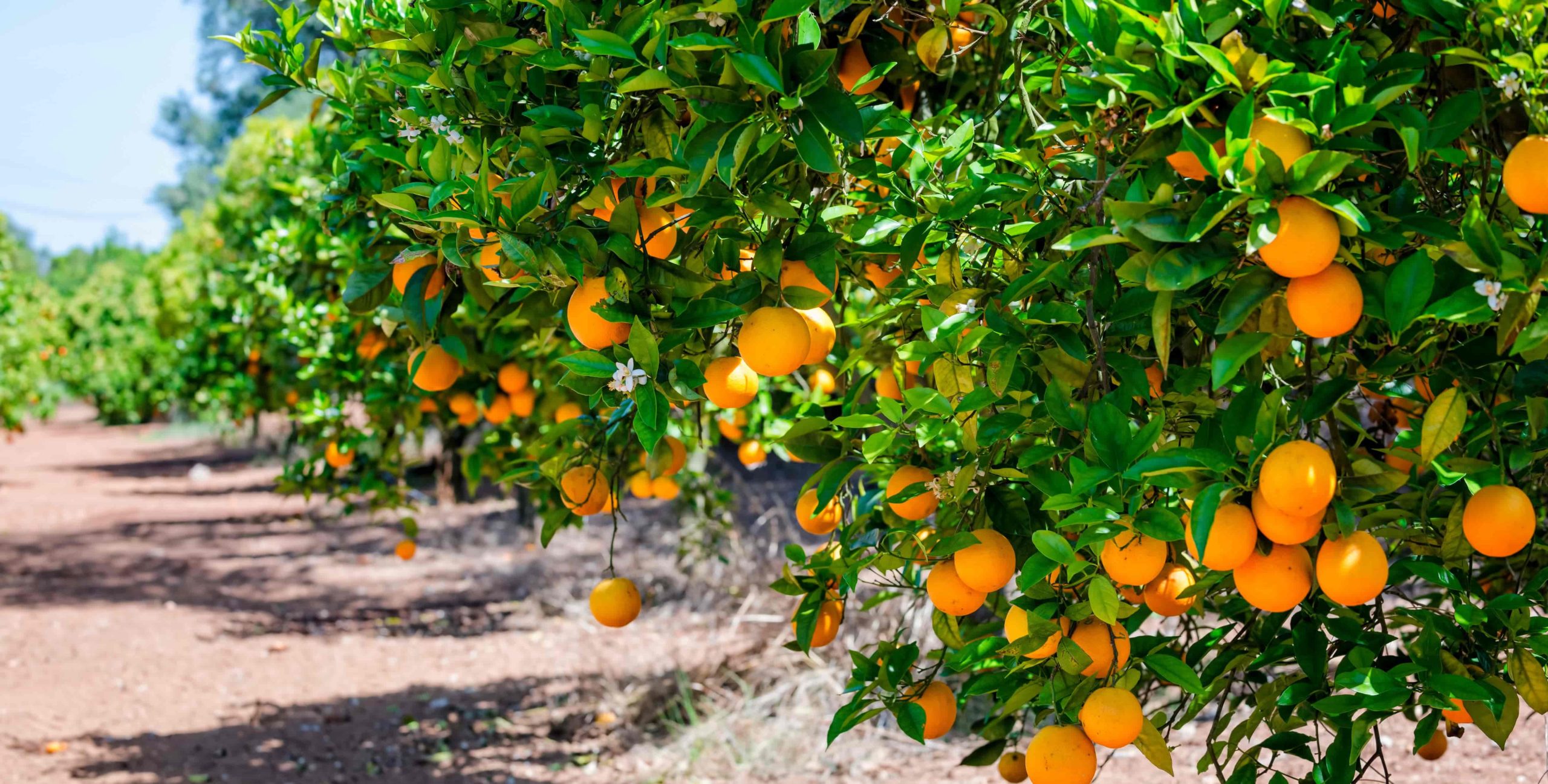
The technical study determines the location and area. Lemon cultivation should be carried out in wide agricultural areas exposed to sunlight. As previously mentioned, the area depends on the investor's demand, the quantity of harvest they yield, and the profits they will achieve.
List of tools and requirements for growing lemons
For lemon cultivation, we will need many drilling machines, agricultural equipment, and nets to create a fence surrounding the land where the lemons are planted, to shield the trees from the wind.
When planting, relatively deep holes are dug, then the seedlings are placed, and a mixture of clay and sand is added, the hole is completely filled, and it is watered.
It is preferable to plant lemon trees in the spring, and they can be planted in the fall, but spring is the preferred season for planting.
The labor required for a lemon farming project
Here you will need a number of workers who will plant, irrigate, harvest lemons, and then sell them.
The number of workers you will need will be determined by the size of the land; the larger the area of land, the more workers you will need on the land.
3- Financial Study for Lemon Cultivation Project:
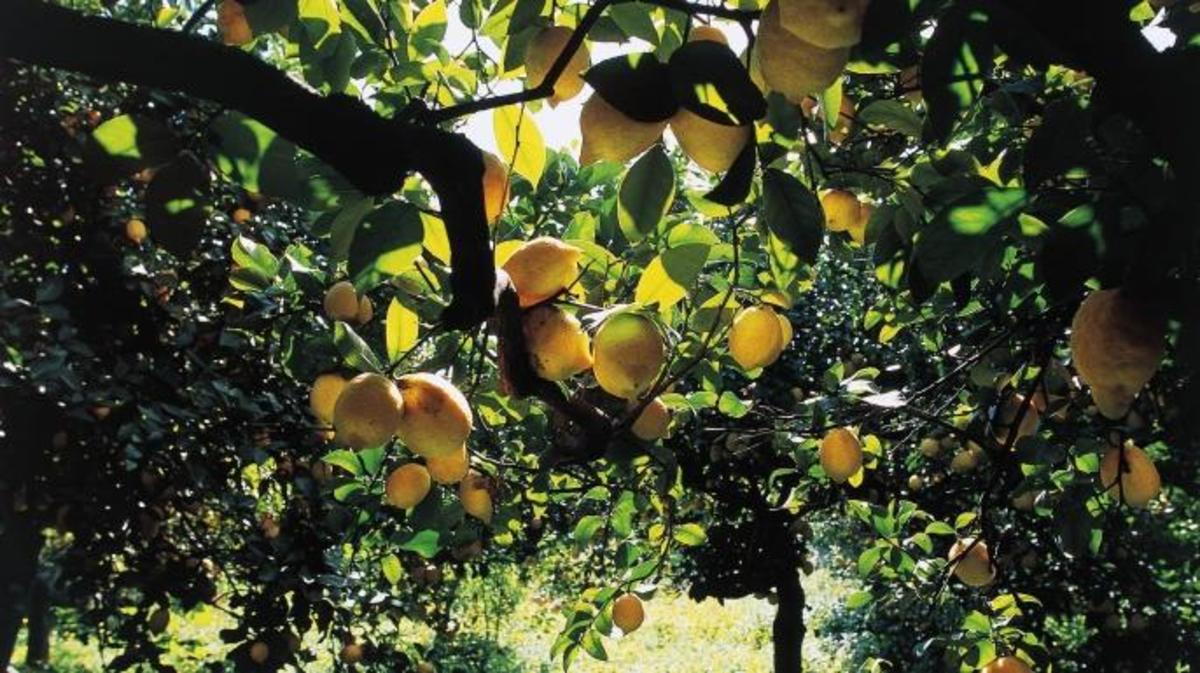
This study identifies the financial costs you will incur when cultivating land by knowing the prices of seedlings and the number of holes the land can accommodate for digging, multiplying the number of seedlings by the price and adding the cost of fertilizer and anything else you need for cultivation.
And when harvesting the crop, calculate the number of kilograms and multiply it by the prevailing market price to arrive at the total income. Subtract the costs you incurred to get the net profit.
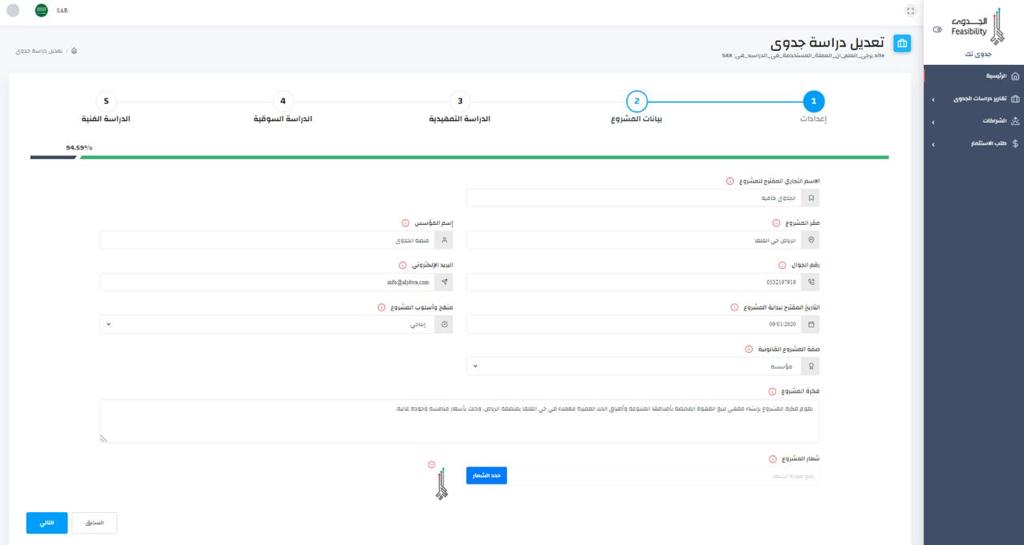
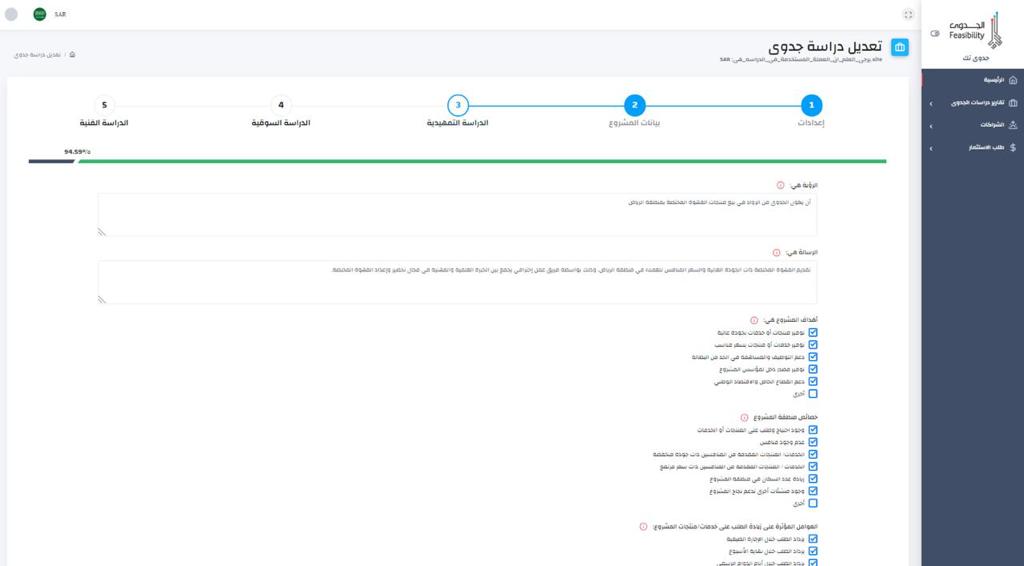
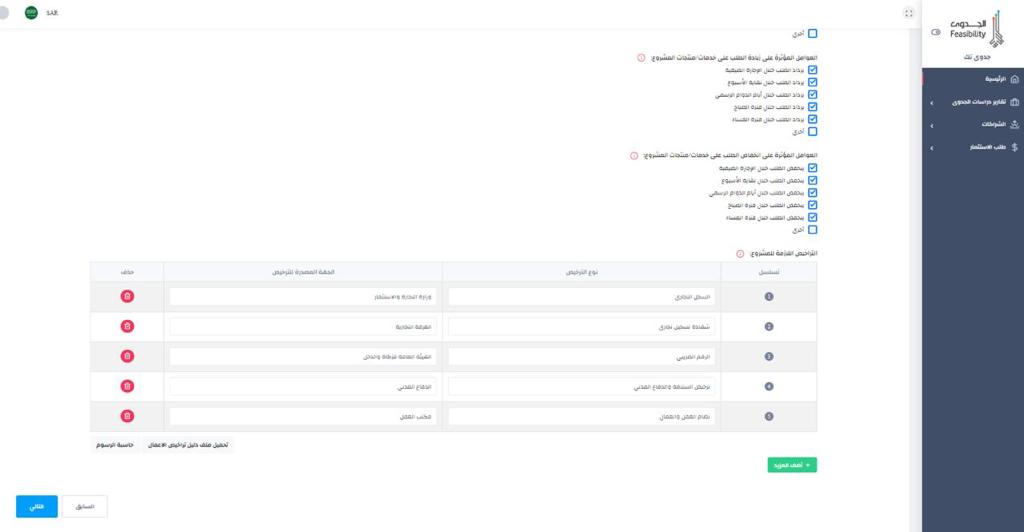
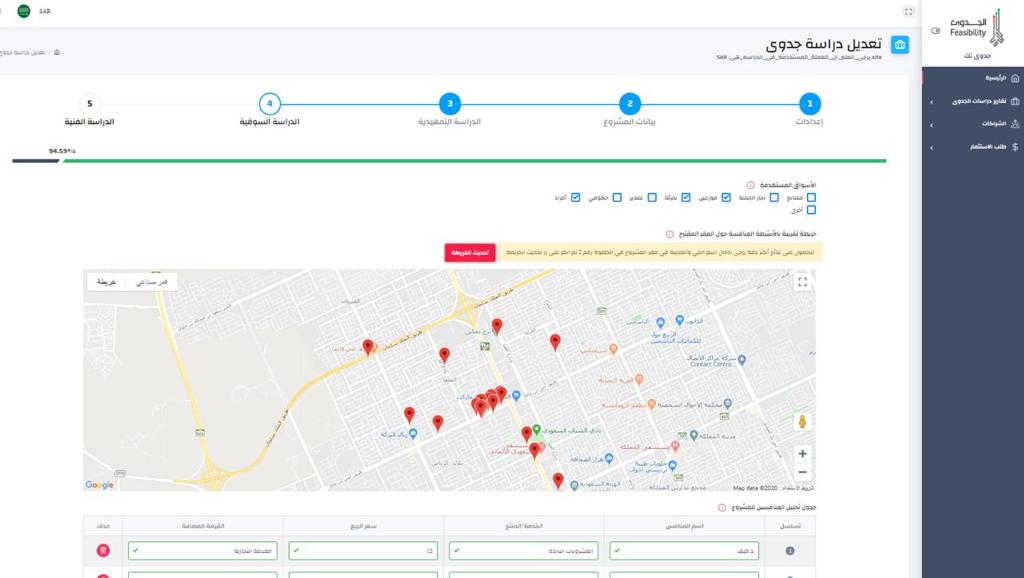
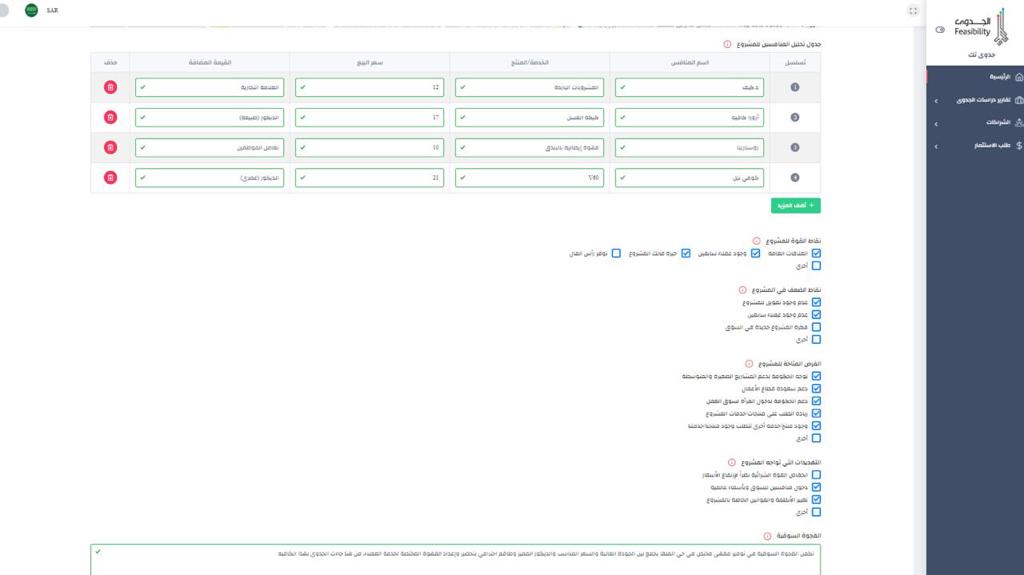
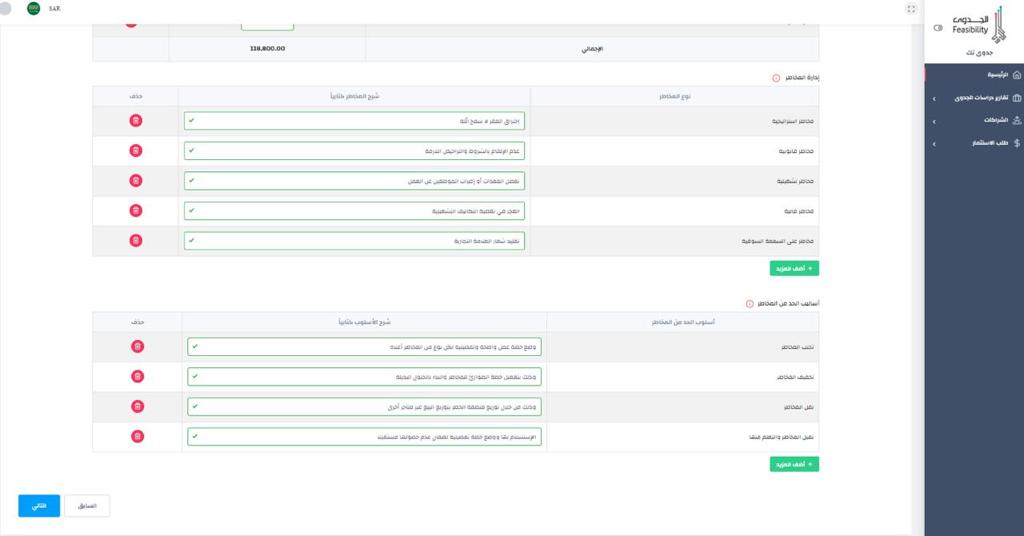
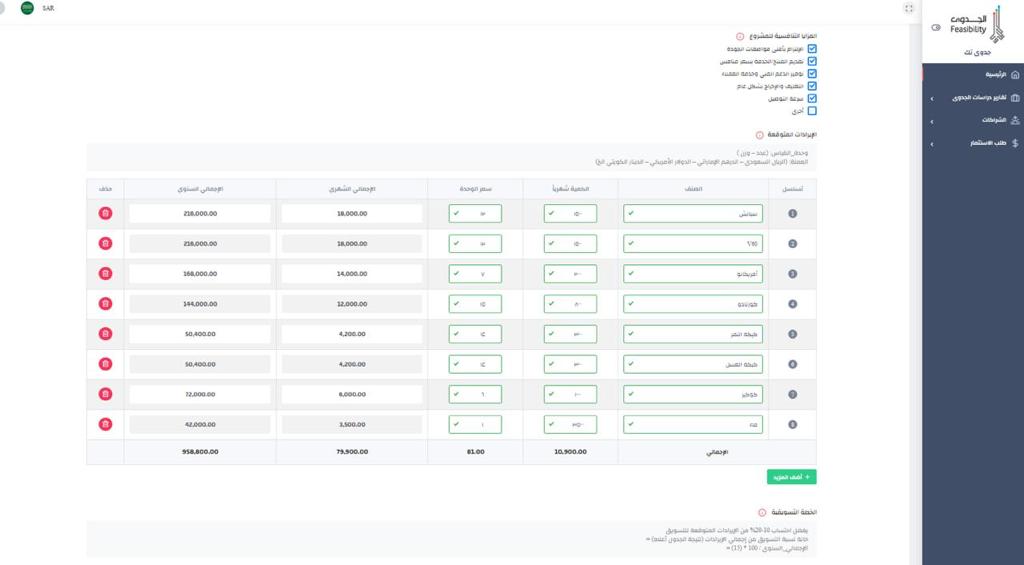
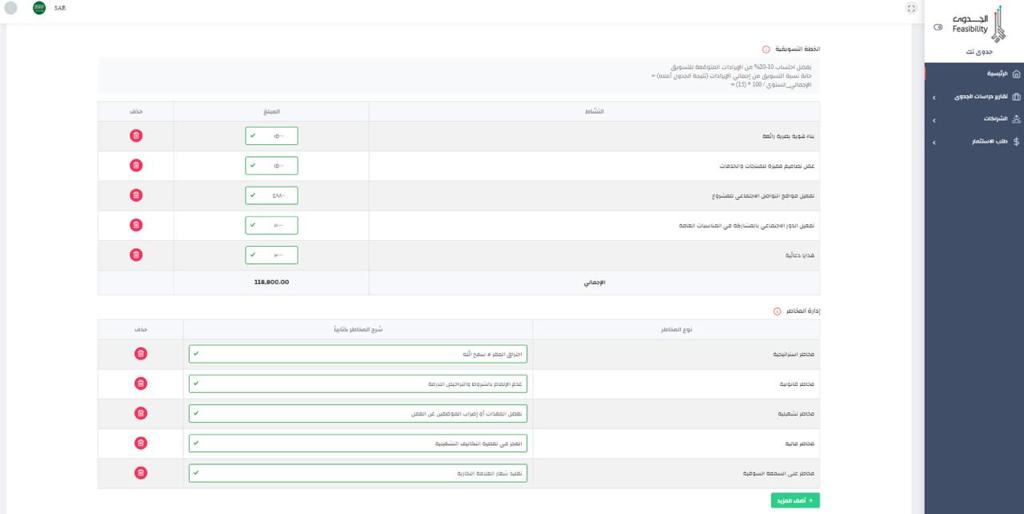
Try the Jadwa Tech platform or the Jadwa website experts to help you with a lemon farming feasibility study.
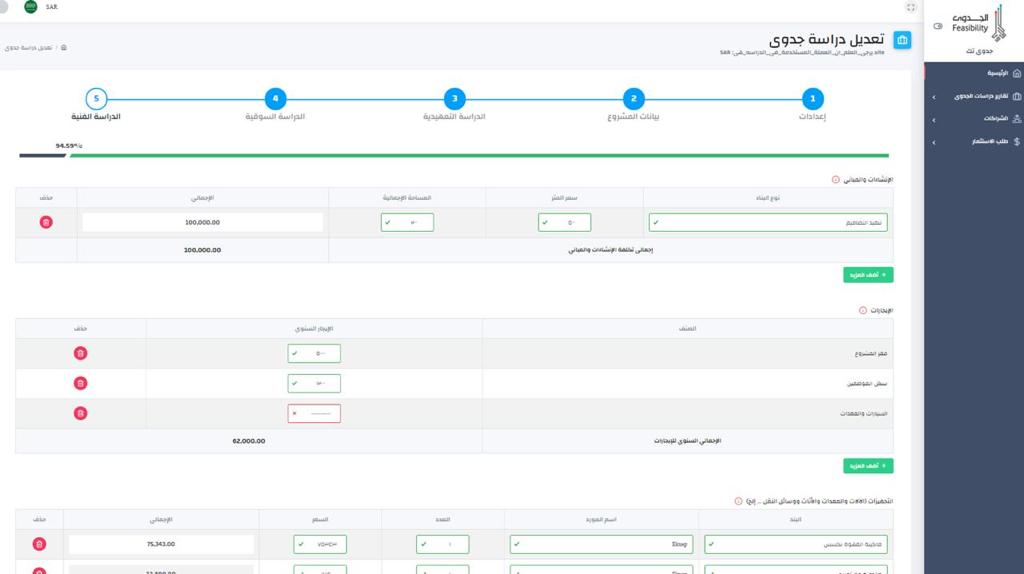
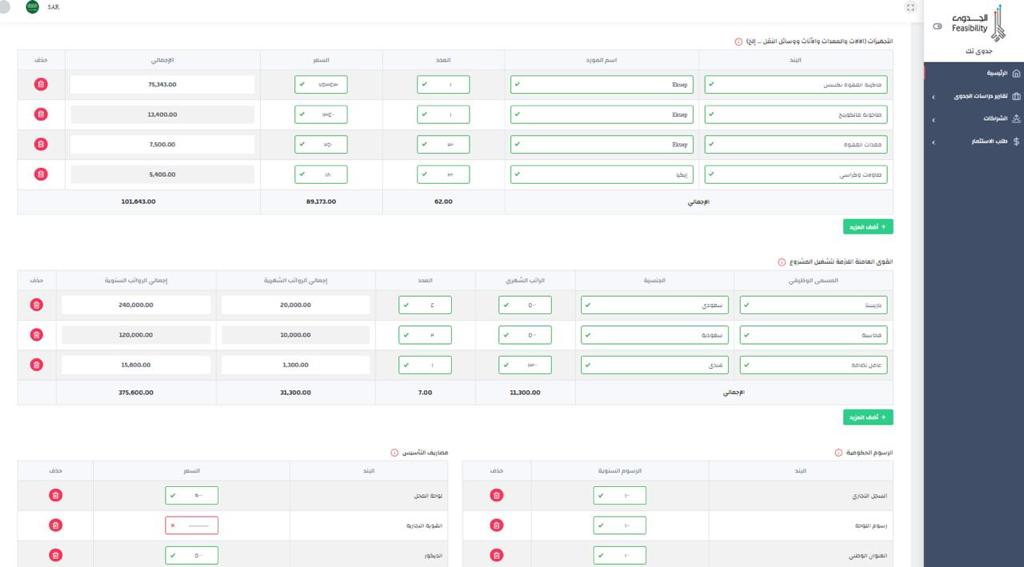
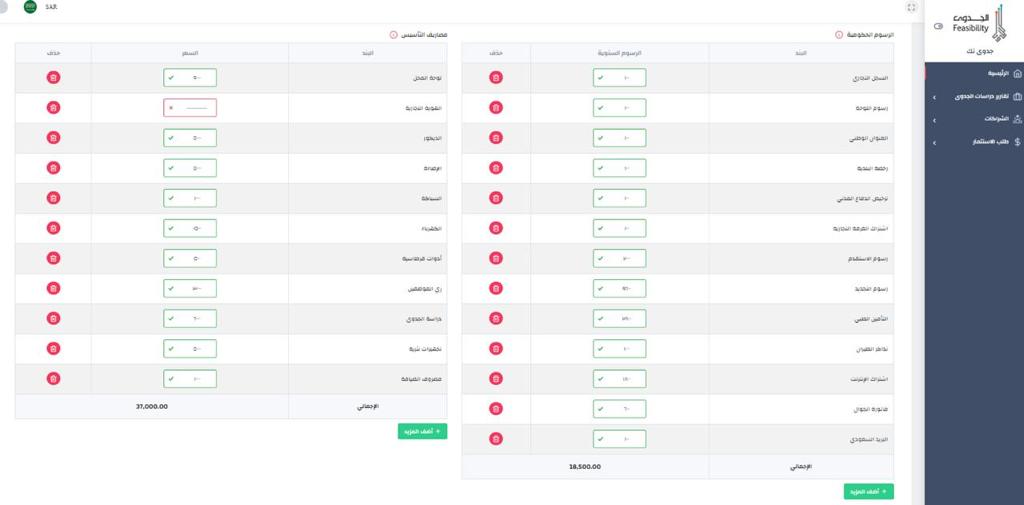
You can start by preparing Feasibility study Simple for your project in a self-service manner using the Jadwa-Tech service, and the system will automatically perform the financial analysis.
As an alternative option, especially since you may face significant difficulties in gathering the required data above, you can contact the technical support team who will always be ready to assist you in conducting a feasibility study for lemon cultivation and to answer all your inquiries, and who will guide you through everything you need to know about your project.
Contact us through this form, and our specialized feasibility team will prepare a feasibility study for your project via the following link:
خطوتك التالية لإطلاق مشروع زراعة الليمون
إذا أصبحت لديك صورة أولية عن المشروع، فالخطوة الأهم هي اختبار الأرقام والطلب المتوقع قبل الاستثمار. يمكنك استخدام Feasibility للتحليل الأولي، أو طلب Economic feasibility study متخصصة.
قد يعجبك أيضًا: