
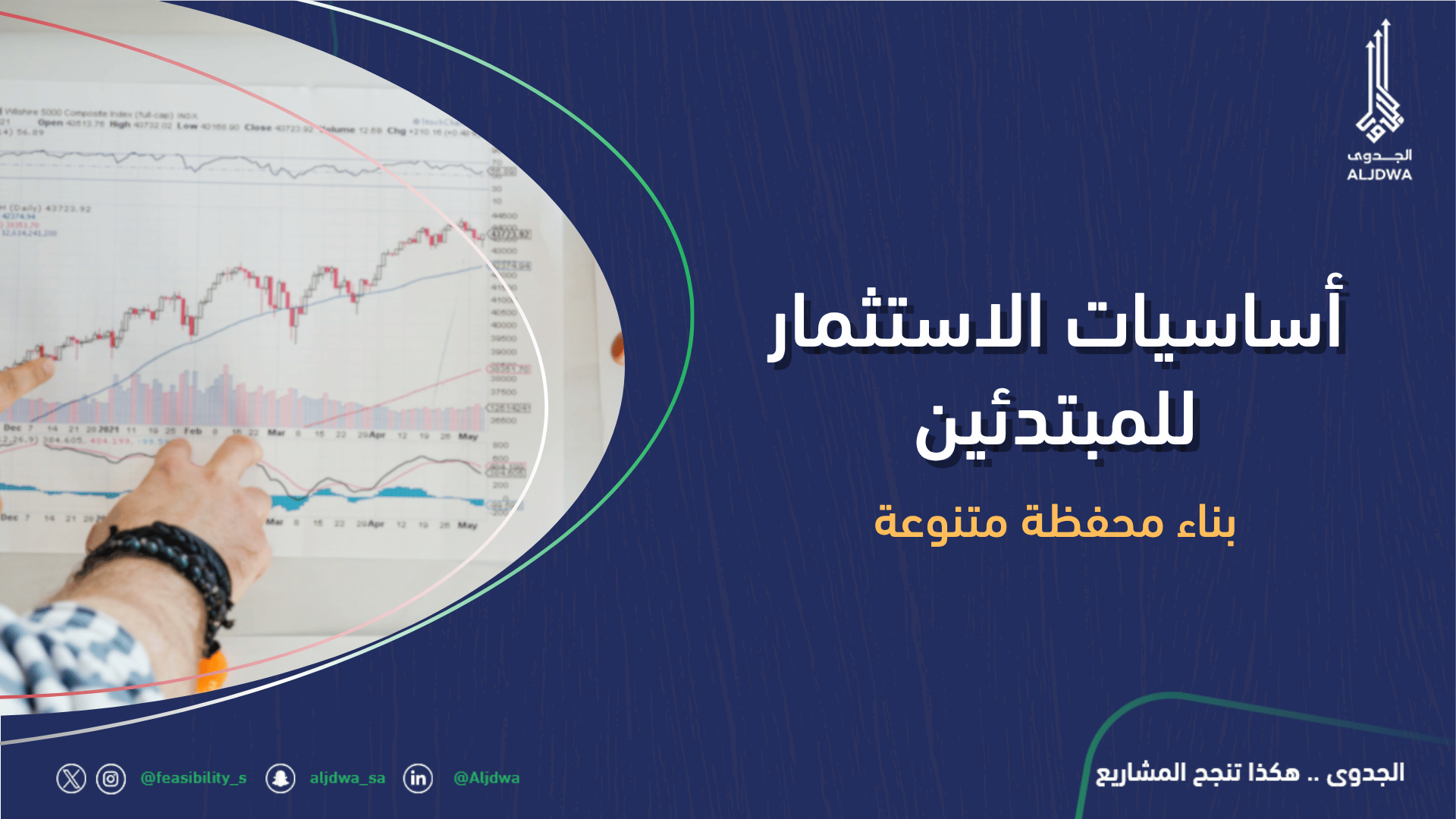
 Investing today is no longer a secondary option, it has become a primary means of achieving Financial independence and facing inflation which weakens the purchasing power of money over time. Through investing, an individual can transform their savings into income-generating assets that yield regular returns and contribute to long-term income growth, rather than the money remaining stagnant in savings accounts without real growth.
Investment differs from saving in that it does not only aim to preserve money, but to Wealth building and growth Through well-thought-out strategies based on asset allocation and risk management. In Saudi Arabia, it has become The investment environment is one of the safest and most stable in the region. Thanks to its strong organizational structure, diverse investment tools, and continuous government support for individual investors, the Saudi market has become an ideal destination to start a long-term investment journey that balances safety and growth.
Discover the latest ready-made feasibility studies Feasibility website
The basic concept of investment and its types
Financial investment is the process of employing funds in assets that generate a return over time, whether through profits or an increase in market value. It is divided into Short-term investment It aims to achieve quick profits within a period not exceeding one year, such as stock speculation, andLong-term investment Focuses on gradual wealth building through stable assets like funds, real estate, and blue-chip stocks. The difference between the two types is the timeframe and financial goal, with the former relying on quick decisions, while the latter depends on patience and discipline.
Investment methods can also be classified as Active (Active) وNegative (Passive). The active investor constantly follows the market and makes frequent buy and sell decisions, while the passive approach relies on holding assets for long periods to achieve a stable and steady return. For beginners, it is preferable to start with the Long-term passive investingbecause it reduces risks and emotions and allows for gradual practical learning, before moving on to more dynamic and diversified investments.
Step one: Define investment goals
Before embarking on any investment journey, an investor must determine Clear financial goalIs he seeking to build savings for retirement, buy a house, or earn extra monthly income? Defining the goal guides the type of assets to invest in. An investor seeking long-term returns will have a different strategy than someone looking for quick liquidity or short-term profits. Clarity of financial goals helps in setting a realistic plan and evaluating performance over time.
As well as defining Investment duration and acceptable risk level A fundamental step in portfolio construction. Every investor has a different capacity to tolerate temporary losses, and the financial instruments used must be suitable for this capacity. For example, conservative portfolios lean towards sukuk and balanced funds, while bolder investors prefer stocks and rapid growth. True success lies in Aligning personal goals with investment tools the occasion, to ensure the sustainability of returns and achieve a balance between security and financial ambition.
Portfolio diversification (Diversification)
Is considered Diversification One of the most important principles in the world of investment, which is simply the distribution of capital across more than one asset or sector to reduce potential risks. Instead of putting all funds into one stock or sector, they are distributed among stocks, investment funds, real estate, or even fixed-income instruments such as sukuk and bonds. This approach reduces the impact of market fluctuations, as a decline in the performance of one asset can be offset by an increase in the performance of another asset, thus maintaining portfolio stability over time.
In the Saudi market, the principle of diversification can be easily applied through A balanced mix of investment instruments. For example, a novice investor could allocate 50% of their portfolio to domestic stocks, 30% to index funds or balanced funds, and 20% to real estate or sukuk. These ratios may vary depending on goals and risk tolerance, but they reflect a clear philosophy: do not rely on a single asset, no matter how strong its performance, but rather build a diversified portfolio that provides financial security and stable long-term growth.
Risk Management and Emotional Control
Smart investing isn't just about choosing assets, but about The ability to manage risks and control emotions These are volatile times. The market is inherently changeable, and a successful investor is one who knows how to protect their capital without being affected by fleeting emotions. The difference between Calculated risk وRandom adventure It's the difference between success and failure in the world of investing. The former is based on data analysis and planning, while the latter relies on predictions and emotional impulses.
Self-discipline is the cornerstone of any successful investment strategy. A disciplined investor does not get carried away by fear or greed, but rather makes decisions according to a predetermined plan. The following table illustrates the relationship between investor behavior, risk level, and how to best manage it 👇
| Investment Behavior | Risk level | Impact on Yield | The optimal recommendation |
| Making decisions based on news or rumors | Too high | Unstable returns and potential losses | Adhering to the long-term plan |
| Diversify assets and periodically review performance | Average | Balanced and stable returns | Continued and regular follow-up |
| Investing according to a specific plan with clear objectives | Low | Sustainable growth over time | Promote discipline and update the plan periodically |
By following this balance between analysis, discipline, and emotion, an investor can maintain financial stability even in times of volatility, turning challenges into opportunities for long-term growth.
Cyclical investing (DCA) And building wealth in the long term
strategy Cyclical investing Dollar Cost Averaging It is one of the most effective methods for gradually building wealth without needing to time the market. This strategy is based on Investing a fixed amount periodically – monthly or quarterly – regardless of price fluctuations. This way, the investor buys more units when prices are low and fewer units when they are high, which ultimately lowers the average purchase cost and increases long-term returns.
in The Saudi marketThis strategy has proven effective, particularly in mutual funds and exchange-traded funds (ETFs), where individual investors can start with small amounts and continue investing regularly without needing to monitor the market daily. For example, a fixed amount can be invested monthly in an index fund that tracks the performance of the general market, such as “Tadawul 30,” giving the investor an opportunity for continuous growth and reducing the impact of short-term fluctuations. Over time, this periodic commitment becomes a powerful tool for building Stable and sustainable wealth.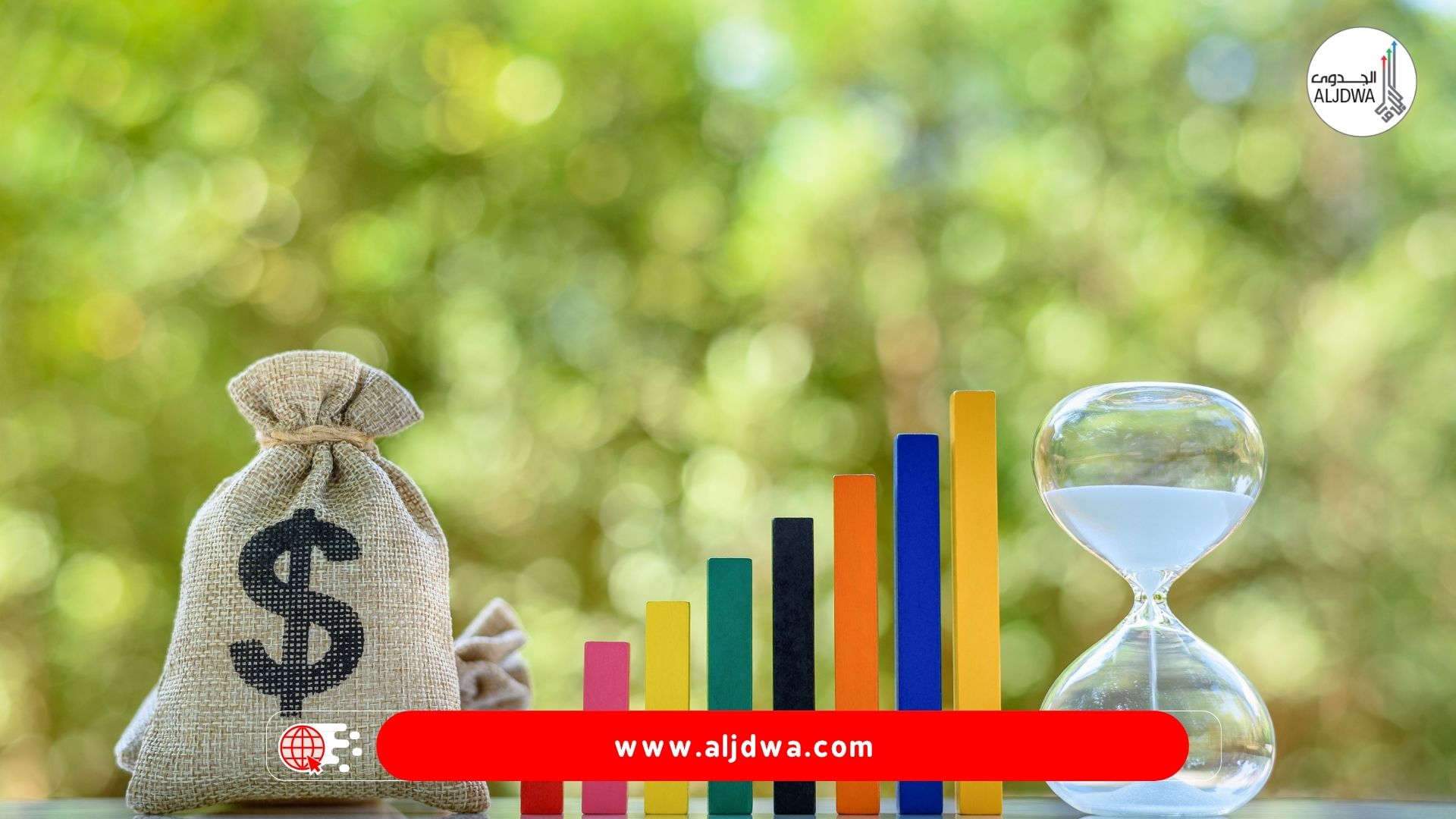
If you are looking for a successful project plan, start from The Feasibility – The First Platform for Feasibility Studies in Saudi Arabia
Common mistakes beginner investors make
Many novice investors fall into the trap Emotional investmentwhether it's exaggerated fear during a downturn or chasing trending fads without proper research. This behavior often leads to hasty decisions that result in unnecessary losses, as the market rewards patience and discipline, not impulsiveness. Another common mistake is focusing on Quick profit Without a clear plan, making the portfolio vulnerable to fluctuations without a long-term vision.
Some investors also neglect to calculate Costs, taxes, and administrative fees associated with each investment, which reduces the portfolio's actual return. In addition, the Not reviewing your wallet periodically It is a fundamental error, because assets change in value over time and must be rebalanced according to new goals or market changes. Success in investing requires not so much financial genius as it does Clear plan, consistent discipline, and smart review To perform regularly.
Conclusion – Investing as a Journey to Building Your Financial Future
Investing is not a quick race to profit, but rather Long-haul trip It requires awareness, patience, and continuous application. Building wealth does not happen overnight, but rather through deliberate steps that begin with setting goals and diversifying assets, then managing risks and maintaining discipline during fluctuations. With a beginner investor's commitment to regular investment and conscious portfolio review, they can, over time, achieve True financial stability It moves from the saving stage to the sustainable growth stage. In light of the economic transformation the Kingdom is witnessing and its ambitious Vision 2030, conscious investment becomes one of the most important tools for building a prosperous financial future that aligns with the aspirations of both the individual and the nation.
Frequently Asked Questions:
❓1. Saving is setting aside money for future use, typically in a safe place like a bank account, while investing involves using money to buy assets with the expectation of generating a return or profit.
Saving aims to Saving and keeping money risk-free, while investing aims at Money growth By investing in income-generating assets such as stocks, funds, or real estate. Saving is a means to financial security, while investing is a path to long-term wealth building.
❓2. How can a beginner safely start investing in the Saudi market?
The first step is Set financial goals Clearly (retirement, housing, additional income), then Choosing low-risk investment tools Like investment funds and Exchange Traded Funds (ETFs). Dollar-cost averaging (DCA) can also be utilized to mitigate the impact of market volatility and build wealth gradually.
❓3. What is meant by portfolio diversification and why is it important?
Diversification means Diversifying capital across multiple assets or sectors In order to reduce risk. For example, if the value of one asset decreases, another asset can offset the loss. In the Saudi market, diversification can be achieved through Local stocks, sukuk, real estate investment trusts, and index fundsProviding a balance between security and return.
❓4. What are the most common mistakes beginner investors make?
The most prominent mistakes: Emotional Investing (Fear or greed), ignoring a clear plan, focusing on quick profits, and neglecting to regularly review the portfolio. Some also make the mistake of ignoring fees and costs that affect actual returns over time.
❓5. Where can I get reliable feasibility studies before making any investment decision?
You can visit Economic Feasibility Consulting To view Ready-made feasibility studies and reliable economic analyses that help new investors evaluate opportunities and identify the best sectors to invest in the Saudi market.